Multisig.
Collaborative custody, compared.
Multisig means multiple signatures required to move Bitcoin. It eliminates the single point of failure of a single seed phraseSeed phraseA wallet backup written as a list of words, usually 12 or 24, that can recreate the wallet's private keys. In a single-signature wallet, anyone who sees it can take the bitcoin unless a separate passphrase also protects it. Keep it offline and private; recovery may also need the passphrase and wallet setup details.Full definition. Compare Casa, Unchained, Nunchuk, Liana, and Sparrow DIY.
This page compares multisig setups, from collaborative services to fully DIY. For the PSBT signing flow and a step-by-step 2-of-3 build, see Multisig Deep Dive; to use a service-held key so heirs can recover your coins, see Collaborative Custody.
Single-signature wallets have a single point of failure: lose the seed, lose the coins. Multisig requires N-of-M signatures (e.g. 2-of-3) to move funds. Casa and Unchained hold one of your keys for recovery support; Nunchuk, Liana, and Sparrow DIY are fully self-managed. The right solution depends on whether you want a recovery partner or full sovereignty, and how much technical work you want to do.
On this page
Section 1 · What multisig is
Standard Bitcoin wallets use single-signature (singlesig): one private keyPrivate keyA secret number that proves the right to spend bitcoin by signing transactions. Most wallets derive their private keys from a seed phrase backup. The phrase is not itself a private key, but it can regenerate them, so unless the wallet also needs a passphrase or other keys, anyone who has it can spend the coins.Full definition signs every transaction. Lose that key (or the seed phrase that produces it), lose the Bitcoin.
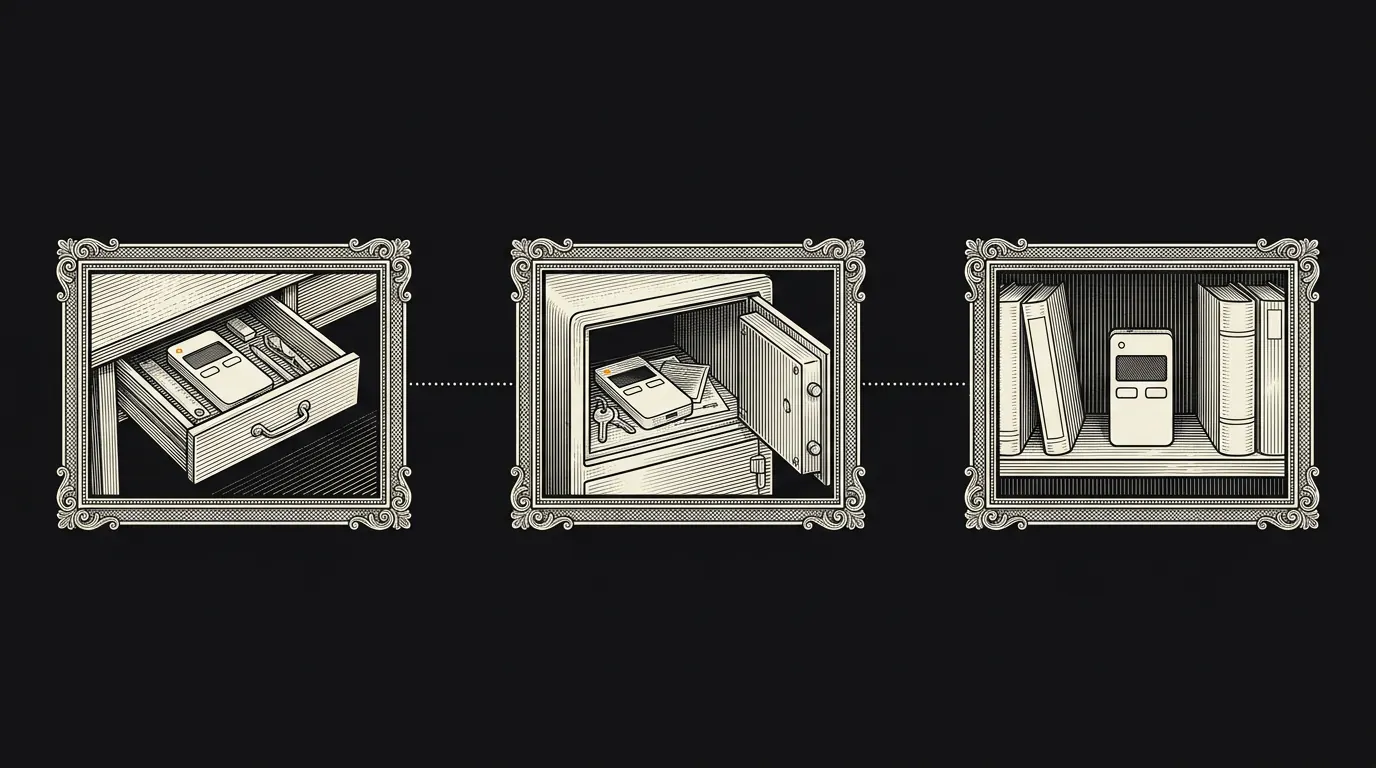
Multisig requires a configurable threshold of multiple keys to sign. The most common configuration is 2-of-3: three keys exist, any two can sign.
Why it matters
- Lose one key, the funds are still recoverable with the other two.
- One key getting stolen does not let an attacker move funds.
- Geographic distribution (different cities or countries) protects against local disasters.
- Inheritance becomes easier: family members hold backup keys without having full custody during your lifetime.
Section 2 · Casa
2-of-3 or 3-of-5 multisig. Casa holds one key. The other keys live on your devices and hardware wallets. If you lose a key, Casa helps recover.
- Trade-off: Casa has one of your keys. They cannot move funds alone (they are one of N), but they are a counterparty.
- Best for: people who want multisig without full technical setup.
- Subscription-based pricing.
verify×DON'T TRUST, VERIFYClaim: Casa offers 2-of-3 and 3-of-5 multisig with one Casa-held key.Verify at: keys.casa ↗ Source 1 in the list belowPlans, pricing, and key-distribution details change. Confirm before subscribing.
Section 3 · Unchained
2-of-3 multisig. Unchained holds one key in a collaborative model. More institutional-grade than Casa.
- Offers IRAIndividual Retirement Account (IRA)A retirement account with tax advantages and eligibility rules. Traditional IRA contributions may be deductible; taxable withdrawals generally enter income. Roth contributions use after-tax money, and qualified Roth withdrawals are tax-free.Full definition products with Bitcoin in multisig custody (a unique product in the US retirement-account market).
- Concierge onboarding.
- Higher minimum balances and pricing tier than Casa for premium services.
verify×DON'T TRUST, VERIFYClaim: Unchained offers 2-of-3 collaborative custody and Bitcoin IRA products.Verify at: unchained.com ↗ Source 2 in the list belowVerify current product lineup and IRA terms before opening an account.
Section 4 · Nunchuk
Software for self-managed multisig. No third-party key holders.
- You manage all keys across hardware wallets and mobile devices.
- Most sovereign approach. Most complex.
- Mobile-first interface; desktop also available.
- Optional collaborative coordination layer (Nunchuk Premier) for shared multisigs across family or business partners.
verify×DON'T TRUST, VERIFYClaim: Nunchuk supports self-managed multisig with no third-party key holders by default.Verify at: nunchuk.io ↗ Source 3 in the list belowOpen-source. Codebase is on GitHub.
Section 5 · Liana
Open-source multisig with timelocked recovery.
- A backup key can move funds if the primary key is not used for a defined period.
- This creates a recovery path without a third party.
- Useful for inheritance or for protecting against your own key-management mistakes.
- More technical setup. Built by Wizardsardine.
verify×DON'T TRUST, VERIFYClaim: Liana supports timelocked multisig recovery without a third-party custodian.Verify at: github.com/wizardsardine/liana ↗ Source 4 in the list belowOpen-source. Source available on GitHub.
Section 6 · Sparrow Wallet DIY
Create your own multisig using Sparrow Wallet with multiple hardware wallets.
- Most sovereign. Most complex.
- You hold all keys.
- Requires technical comfort with multisig coordination.
- Free (only the cost of hardware wallets).
- Sparrow's own best-practices guide recommends at least a 2-of-3 multisig built from hardware wallets from different vendors.
For the deeper technical walk-through, see Multisig Deep Dive.
Where to go from here
Sources
Verify badges in the text link to these sources. Figures, rates and rules change: check each source’s date before acting on it.
- Casa · keys.casa. ↩
- Unchained · unchained.com. ↩
- Nunchuk · nunchuk.io. ↩
- Liana (Wizardsardine) · github.com/wizardsardine/liana. ↩
- Sparrow Wallet Best Practices · sparrowwallet.com/docs/best-practices.
Last updated . Educational content, not financial advice. Disclosures · How pages are reviewed