How to buy a car
without getting destroyed.
Learn which dealer tactics and add-ons to watch for, how to negotiate, and when to walk out.
This page covers the buying transaction itself: prep, negotiation, F&I add-ons and the final paperwork check. For choosing new vs used, lease vs buy and how much car you can afford, see The Car Decision.
The car dealer makes money on: the car price, the financing, the trade-in, the add-ons, and the extended warranty. Each one is a separate negotiation. Never discuss them together. Secure financing before you walk in. Know the invoice price. Know your trade-in value. Then negotiate.
On this page
Before you go anywhere
Know the invoice price. The sticker price (MSRP) is not what the dealer paid. The invoice price is what they paid. The actual dealer cost is lower after dealer incentives and holdback. Look up invoice prices at Edmunds ↗ or TrueCar before you walk in. Negotiate from invoice, not MSRP.
Know your trade-in value. Get written offers from CarMax (will buy your car outright), Carvana, and KBB Instant Cash Offer. The dealer's first trade-in offer will be lower. You now have competing offers as leverage.
Secure financing before you go. Get pre-approval from your bank or credit union, Fidelity CMA (if they offer auto loans), or an online lender like LightStream or Capital One Auto Navigator. This gives you a rate to beat, and removes the dealer's financing leverage.
At the dealer
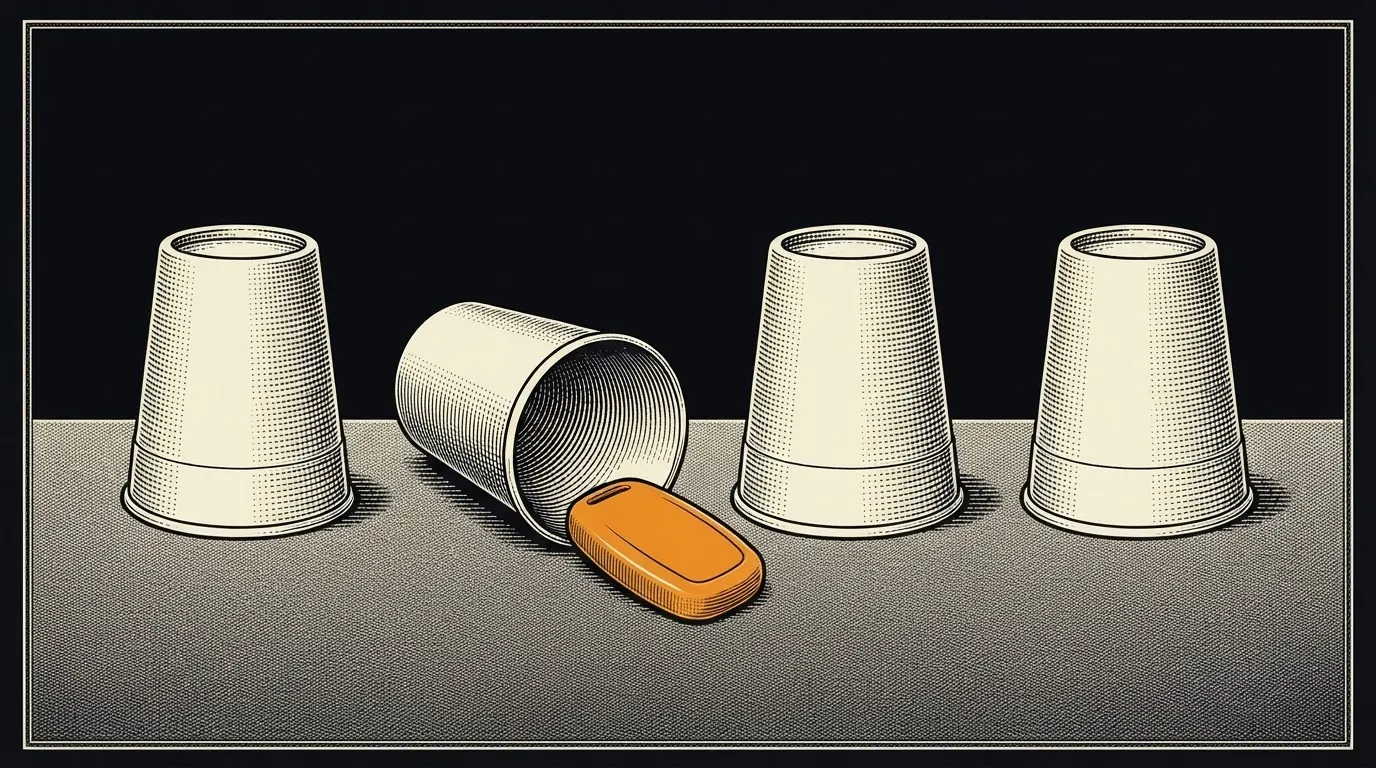
The four conversations that happen simultaneously. Keep them separate:
- The car price
- Your trade-in value
- The financing
- Add-ons
Dealers blend these intentionally. "We can do $X/month" obscures the actual car price. Always negotiate the out-the-door price in dollars, not monthly payment.
Never say:
- "What's my monthly payment?"
- "I have a trade-in" (until the price is agreed)
- "I'm already approved at X%" (let them compete)
- "I love this car"
- "I need to decide today"
Do say:
- "What's your best out-the-door price?"
- "Can you beat X% financing?" (after they've shown you their rate)
- "I need to think about it" (if pressured)
Add-ons to refuse
Only ever buy from the manufacturer, not the dealer. Dealer warranties are marked up significantly. If you want extended coverage, buy it directly from the manufacturer's certified program or a reputable third party.
Priced at $500-2,000. Available at auto detailers for $100-300. Refuse.
A can of Scotchgard is $10. The dealer charges $300. Refuse.
Marketed as a "theft deterrent." Actual deterrent value: zero. Cost: $200-400. Refuse.
Financing
If the dealer beats your pre-approval rate: use the dealer. If not: use your pre-approval.
Avoid:
- Loans over 48 months if possible. 60 and 72-month loans on depreciating assets extend the period you're underwater.
- Rolling negative equity from your trade-in into the new loan. This compounds the problem.
The interest cost of a car loan:
$35,000 loan at 8% for 72 months: $616/mo, total interest: $9,372
Lower payment, much more expensive. Run your own numbers at Debt Payoff Calculator.
The final walkthrough
Before signing:
- Confirm the out-the-door price matches what was agreed.
- Confirm the interest rate matches the pre-agreed rate.
- Confirm the loan term.
- Check that no add-ons were added without your agreement.
The F&I (Finance and Insurance) office exists to sell you things after you've agreed to buy the car. You are allowed to say no to everything. You do not have to buy anything in the F&I office except the required documents to complete the purchase.
After you leave: refinance if better rates emerge within the first year. Some credit unions offer auto refinancing at lower rates.
Check the written offer
Get the itemized out-the-door price in writing before discussing a monthly payment. Separate the car price, taxes, mandatory fees, optional add-ons, down payment and any trade-in loan balance. Compare offers using the amount financed, APR, term, finance charge and total of payments, not payment size alone. Longer terms can lower the payment while increasing total borrowing cost.
Use the CFPB auto-loan comparison to check disclosures against the buyer’s order and contract. Ask which add-ons are optional and whether their cost is financed. A calculator cannot verify the seller’s charges or the condition of the car.[1]
Where to go from here
Sources
Bracketed numbers in the text link to these sources. Figures, rates and rules change: check each source’s date before acting on it.
- Consumer Financial Protection Bureau, How do I compare auto loan offers? ↩
Last updated . Not financial advice. Your numbers may vary. Disclosures · How pages are reviewed